
How to Secure a Bigger Loan Against Property in Dwarka – Practical Tips
25 November 2026
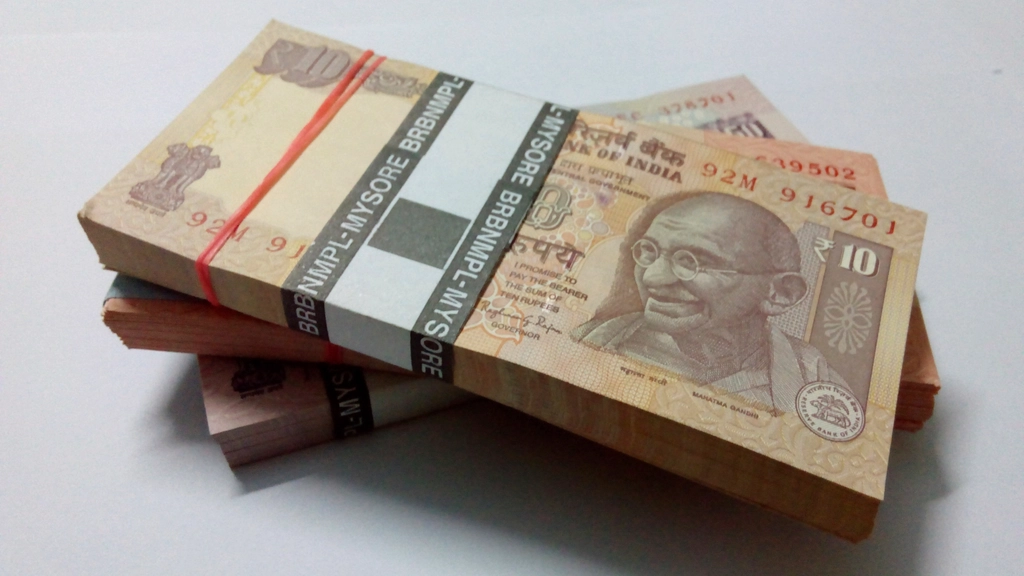
Photo: rawpixel (CC0)
Why Borrowers Look for a Larger Loan Against Property in Dwarka
Dwarka, with its rapidly appreciating real‑estate values and excellent connectivity, is a hotspot for both home buyers and investors. When you own a property there, banks often consider it a strong collateral, which can help you negotiate a higher loan amount. This guide walks you through the key factors that can boost the loan‑against‑property (LAP) you can secure, without compromising on eligibility or documentation.
1. Understand the Typical Loan‑to‑Value (LTV) Ratio
- Standard LTV: Most lenders offer up to 60‑70 % of the property’s market value as a loan.
- Higher LTV scenarios: If the property is in a prime sector of Dwarka (e.g., Sector 6, 9, or 10) and you have a good credit profile, some banks may stretch the LTV to 75 %.
- Action tip: Get a recent valuation from a certified agency and compare it with the bank’s internal valuation. A higher assessed value can directly increase your loan ceiling.
2. Strengthen Your Credit Profile
- CIBIL score matters: A score above 750 usually fetches better terms and higher loan limits.
- Clean repayment history: Ensure all existing EMIs (home loan, personal loan, credit cards) are paid on time.
- Reduce existing debt: Lowering your overall debt‑to‑income ratio signals lower risk to lenders.
3. Choose the Right Lender for Dwarka Properties
| Lender Type | Typical LTV for Dwarka | Processing Speed | Flexibility on Documentation |
|---|---|---|---|
| Public Sector Banks | 60‑65 % | 7‑10 days | Moderate |
| Private Banks | 65‑70 % | 5‑7 days | High |
| NBFCs | Up to 75 % (subject to stricter credit checks) | 3‑5 days | Very flexible |
- Tip: Private banks often have dedicated relationship managers for high‑net‑worth clients in Delhi‑NCR, which can help you negotiate a better LTV.
4. Leverage Property Features
- Location premium: Properties close to metro stations (e.g., Dwarka Sector 21 Metro) or major schools and hospitals attract higher valuations.
- Age of the property: Newer constructions (less than 10 years) are viewed more favorably than older ones.
- Title clarity: Ensure the title deed is clear of disputes; a clean title can speed up approval and improve loan size.
5. Optimize Your Income Documentation
- Salaried borrowers: Provide the latest Form 16, salary slips for the last 3 months, and bank statements showing salary credits.
- Self‑employed professionals: Submit audited financial statements for the past 2 years, ITR filings, and a detailed business proof.
- Co‑applicant advantage: Adding a co‑borrower with a strong income can increase the loan amount and improve the LTV.
6. Use the Right Loan Structure
- Longer tenure: Extending the repayment period (up to 20 years) can lower the EMI, making a larger loan more affordable.
- Top‑up option: If you already have a home loan on the Dwarka property, you can request a top‑up after a few years of regular repayments, often at a slightly higher LTV.
- Balance transfer: Shifting an existing LAP to a lender offering a higher LTV can free up additional borrowing capacity.
7. Prepare a Complete Document Checklist
- Property sale deed / title deed
- Latest property valuation report
- Identity proof (Aadhaar, PAN)
- Address proof (utility bill, passport)
- Income proof (Form 16, salary slips, or audited accounts & ITR)
- Bank statements (last 6 months)
- Existing loan statements (if any)
- No‑objection certificates from co‑owners (if applicable)
8. Negotiate the Processing Fees and Interest Rates
- Processing fee: Typically 0.5‑1 % of the loan amount; some banks waive it for high‑value loans.
- Interest rate range: For LAPs, rates generally fall between 9‑12 % per annum, varying by lender and borrower profile. Always ask for the best rate based on your CIBIL score.
- Tip: Mention competing offers from other banks; lenders often match or improve terms to win your business.
9. Keep an Eye on RBI Guidelines
- RBI mandates that banks conduct a thorough credit appraisal and verify the property’s legal title before sanctioning a loan.
- The regulator also requires banks to maintain a certain percentage of their loan book as standard assets, which can affect the speed of approval for larger loans.
- Stay updated on any RBI circulars related to loan‑against‑property to ensure compliance.
FAQ
Q1: Can I get a loan amount higher than 75 % of my Dwarka property’s value?
A: It is rare, but some NBFCs may offer up to 80 % LTV for ultra‑prime properties with impeccable credit scores. However, the interest rate will be higher.
Q2: How long does the approval process take?
A: For most banks, 7‑10 working days after submission of all documents. Private banks and NBFCs can sometimes approve within 3‑5 days.
Q3: Do I need to pay GST on the processing fee?
A: Yes, processing fees are subject to GST at the prevailing rate.
Q4: Can I use the loan for purposes other than home renovation?
A: Absolutely. LAP funds can be used for business expansion, education, debt consolidation, or any personal need, provided you disclose the purpose to the lender.
Q5: What happens if I default on the loan?
A: The lender can initiate a foreclosure of the property as per the terms of the loan agreement and RBI regulations.
Ready to explore the best loan‑against‑property offers for your Dwarka asset? Compare rates, LTV ratios, and processing fees on MyLoanWala and find the deal that maximizes your borrowing power.