
How to Use Personal Loans for Debt Consolidation in India
25 November 2026
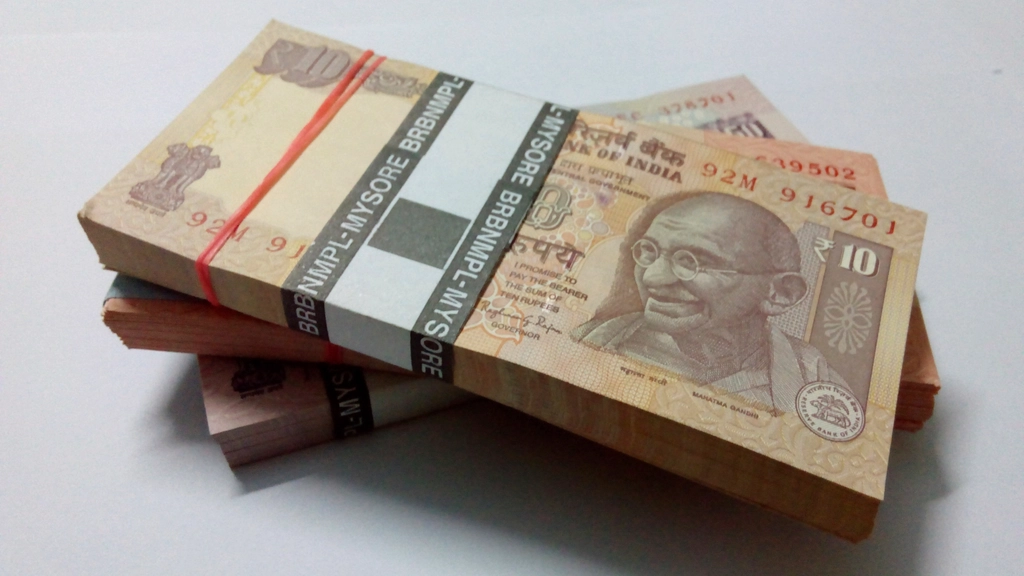
Photo: rawpixel (CC0)
Why Debt Consolidation with a Personal Loan Is Gaining Popularity
Many Indian borrowers find themselves juggling multiple high‑interest credit cards, small personal loans, and informal borrowings. The resulting repayment schedule can be confusing and expensive. A personal loan for debt consolidation offers a single, manageable EMI, often at a lower interest rate than credit cards, helping you regain control of your finances.
Who Can Benefit from a Debt‑Consolidation Personal Loan?
- Salaried professionals with a stable monthly income who are paying off several credit‑card bills.
- Self‑employed individuals who have business and personal liabilities and need a clearer repayment plan.
- Homeowners who have existing home‑loan EMIs but also carry other unsecured debts.
- Anyone looking to improve their credit profile by reducing the number of active credit lines.
Key Advantages Over Other Options
| Feature | Personal Loan (Debt Consolidation) | Credit Card Balance Transfer | Loan Against Property |
|---|---|---|---|
| Typical Interest Rate | 10‑15% (varies by lender & CIBIL score) | 12‑18% (often promotional) | 9‑13% (secured, longer tenure) |
| Tenure | 1‑5 years | 6‑24 months (promo) | 5‑15 years |
| Collateral Required | No (unsecured) | No | Yes, property as security |
| Impact on Credit Score | Positive if repaid on time | May dip due to new credit line | Positive if secured loan is serviced |
| Processing Time | 1‑3 days for approved borrowers | 2‑5 days | 7‑14 days |
Note: The figures above are indicative ranges. Actual rates and terms depend on the lender and borrower profile.
Steps to Consolidate Debt Using a Personal Loan
- List All Existing Debts – Include credit‑card balances, other personal loans, and any informal borrowings. Note the outstanding amount, interest rate, and monthly EMI.
- Calculate the Total Outstanding – This gives you the loan amount you need to request. Remember to add a small buffer for processing fees.
- Check Your CIBIL Score – A score above 750 typically fetches better rates. If it’s lower, consider improving it before applying.
- Compare Lenders on MyLoanWala – Use our comparison tool to filter by interest rate, processing fee, and tenure.
- Gather Required Documents – Generally you’ll need PAN, Aadhaar, salary slips (or ITR for self‑employed), bank statements, and address proof.
- Apply Online or Offline – Most banks now offer instant online approvals for eligible borrowers.
- Use the Disbursed Amount to Clear Existing Debts – Pay off each liability in full. Ensure you receive confirmation of closure for credit cards to avoid lingering charges.
- Start Repaying the New Personal Loan – Set up auto‑debit to avoid missed payments and to build a positive credit history.
How to Choose the Right Lender
- Interest Rate vs. Processing Fee: Some lenders offer lower rates but charge higher processing fees. Calculate the total cost over the loan tenure.
- Pre‑payment and Foreclosure Charges: If you plan to clear the loan early, look for lenders with minimal or no penalties.
- Customer Service: Quick dispute resolution can be crucial if you face any issues during the loan tenure.
- Digital Experience: A seamless online application and tracking portal saves time.
Common Myths About Debt‑Consolidation Loans
- Myth 1: It’s Only for High‑Income Earners – Even borrowers with modest salaries can qualify if they have a decent credit score and stable income.
- Myth 2: It Will Increase My Debt – The purpose is to replace multiple high‑cost debts with a single, lower‑cost loan, thereby reducing overall interest outflow.
- Myth 3: It Will Harm My Credit Score – A single, timely repayment improves your credit utilization ratio, which can boost your score over time.
Risks to Watch Out For
- Taking a Larger Loan Than Needed: This can lead to higher interest outgo despite lower rates.
- Ignoring Underlying Spending Habits: Consolidation won’t help if you continue to rack up new credit‑card debt.
- Choosing a Longer Tenure for Lower EMI: While EMI may be lower, the total interest paid could increase.
Frequently Asked Questions (FAQ)
Q1: How long does it take to get a personal loan for debt consolidation? A: For borrowers with good credit scores and complete documents, many banks disburse funds within 1‑3 business days after approval.
Q2: Can I consolidate both secured and unsecured debts? A: Yes. Personal loans are unsecured, so you can use the amount to pay off secured debts like a home‑loan top‑up, but ensure you understand the impact on your overall liability.
Q3: Will the loan amount affect my CIBIL score? A: The inquiry may cause a minor, temporary dip. However, regular, on‑time repayments will improve your score in the long run.
Q4: Is a co‑applicant required? A: Not usually. A co‑applicant can help if you have a lower credit score or irregular income, but many lenders approve single applicants.
Q5: What if I miss an EMI? A: Late payment fees and a possible impact on your credit score may occur. Contact the lender immediately; many offer a grace period or restructuring options.
Final Thoughts
Debt consolidation through a personal loan can simplify your finances, reduce interest costs, and help you rebuild a healthy credit profile. The key is to assess your total debt, compare lenders wisely, and commit to disciplined repayment.
Ready to find the best personal loan for debt consolidation? Compare top offers on MyLoanWala and take the first step towards a cleaner financial future.