
Personal Loan Eligibility in India: What Salaried and Self‑Employed Borrowers Need to Know
25 November 2026
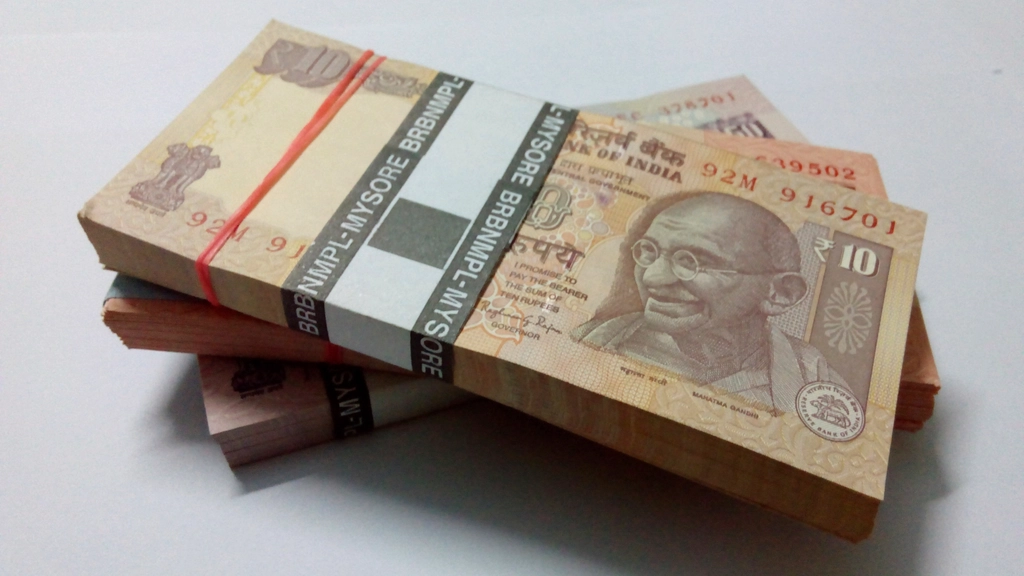
Photo: rawpixel (CC0)
Understanding Personal Loan Eligibility in India
Personal loans are one of the most popular unsecured credit options for Indian consumers. Whether you need funds for a wedding, medical emergency, or debt consolidation, a personal loan can provide quick access to cash without the need for collateral. However, the approval process hinges on a few key eligibility criteria that differ for salaried employees and self‑employed professionals. This guide walks you through the essential factors, required documents, and practical tips to improve your chances of getting a personal loan.
Who Can Apply for a Personal Loan?
In India, most banks and NBFCs (Non‑Banking Financial Companies) offer personal loans to:
- Salaried individuals (including government employees, private sector staff, and contract workers)
- Self‑employed professionals (freelancers, consultants, small business owners, doctors, lawyers, etc.)
- Retired individuals (subject to age limits and income proof)
The core requirement is a stable source of income that demonstrates your ability to repay the loan.
Key Eligibility Factors
| Factor | Salaried Borrowers | Self‑Employed Borrowers |
|---|---|---|
| Minimum Age | 21‑60 years (some lenders extend up to 65) | 21‑60 years (often up to 65) |
| Minimum Income | Typically ₹15,000 – ₹20,000 per month | Usually ₹25,000 – ₹30,000 per month (varies by lender) |
| Employment Tenure | 2‑3 years with current employer | 2‑3 years of continuous business operation |
| Credit Score | CIBIL score ≥ 750 preferred | CIBIL score ≥ 750 preferred |
| Residency | Indian citizen or NRI with valid documents | Indian citizen or NRI with valid documents |
1. Age
Most lenders set a minimum age of 21 years and a maximum age of 60 at loan maturity. Some banks may allow borrowers up to 65 years, provided they meet other criteria.
2. Income
- Salaried: Lenders look at the gross monthly salary. A typical minimum is around ₹15,000, but higher income can lead to larger loan amounts and better interest rates.
- Self‑Employed: Income is assessed based on the last 2‑3 years of audited financial statements or Income Tax Returns (ITR). Consistent profitability and a healthy cash flow are crucial.
3. Employment/Business Tenure
A stable job or business track record reduces perceived risk. Lenders often require at least 2‑3 years with the current employer or in the same line of business.
4. Credit Score
A CIBIL score of 750 or above is generally considered good. Scores below 750 don’t automatically disqualify you, but they may lead to higher interest rates or additional documentation.
5. Residency and Identity Proof
- Proof of Identity: Aadhaar, PAN card, or passport.
- Proof of Residence: Utility bill, rent agreement, or passport.
- Age Proof: Birth certificate or school leaving certificate.
Document Checklist
For Salaried Professionals
- Latest salary slips (last 3 months)
- Form 16 or Income Tax Return for the last 2 years
- Bank statements (last 3‑6 months) showing salary credits
- Employment proof (offer letter, appointment letter, or service certificate)
- PAN and Aadhaar cards
For Self‑Employed Professionals
- Audited financial statements or profit & loss statements for the last 2‑3 years
- Income Tax Returns (ITR) for the last 2‑3 years
- Bank statements (last 6 months) reflecting business transactions
- Business registration documents (GST registration, MCA filings, or professional certificates)
- PAN and Aadhaar cards
Tips to Boost Your Approval Odds
- Maintain a Healthy CIBIL Score – Pay all existing EMIs and credit card bills on time. Avoid multiple loan applications within a short period.
- Show Stable Income – For salaried borrowers, ensure your salary is credited to a bank account regularly. Self‑employed borrowers should keep their financial records tidy and up‑to‑date.
- Limit Existing Debt – A lower debt‑to‑income (DTI) ratio signals better repayment capacity. Aim for a DTI below 40%.
- Use a Co‑Applicant if Needed – A family member with a stronger credit profile can improve your chances, especially for self‑employed applicants.
- Leverage Pre‑Approved Offers – Many banks send pre‑approved personal loan offers to existing customers with good credit history. These often have faster processing.
How the Application Process Works
- Online or Offline Application – Fill out the form on the lender’s website or visit a branch.
- Document Submission – Upload or submit the required documents.
- Credit Check – The lender pulls your CIBIL report and evaluates your creditworthiness.
- Verification – Income and employment/business details are verified.
- Sanction & Disbursement – Upon approval, the loan amount is credited to your bank account, usually within 24‑48 hours for digital applications.
Pro Tip: Use the personal loan EMI calculator on MyLoanWala to estimate your monthly repayment before you apply. This helps you choose a tenure that fits your budget.
Common Reasons for Rejection and How to Fix Them
| Reason | How to Resolve |
|---|---|
| Low CIBIL Score | Pay off overdue dues, keep credit utilisation below 30%, and wait 3‑6 months before re‑applying. |
| Insufficient Income | Provide additional proof of income (e.g., rental income, side business earnings) or consider a lower loan amount. |
| High Existing Debt | Reduce outstanding loans or credit card balances before applying. |
| Incomplete Documentation | Double‑check the checklist and ensure all documents are clear and up‑to‑date. |
| Short Employment Tenure | If you recently switched jobs, wait until you complete 2‑3 months with the new employer before applying. |
Frequently Asked Questions (FAQ)
Q1: Can I get a personal loan without a CIBIL score? A: Most formal lenders require a CIBIL or similar credit report. Some fintech platforms may offer small loans based on alternative data, but rates can be higher.
Q2: How much can I borrow as a salaried employee? A: Loan amounts typically range from ₹50,000 to ₹25 lakh, depending on income, credit score, and lender policies.
Q3: Is a personal loan taxable? A: The loan amount itself is not taxable. However, the interest paid is not tax‑deductible for personal expenses.
Q4: What is the typical processing fee? A: Processing fees usually range from 0.5% to 2% of the sanctioned amount, subject to a minimum and maximum cap set by the lender.
Q5: Can I pre‑pay my personal loan without penalty? A: Many lenders allow pre‑payment, but some may charge a pre‑payment penalty (often 1‑2% of the prepaid amount). Check the loan agreement for details.
Final Thoughts
Personal loans in India offer flexibility, but eligibility hinges on age, income stability, credit score, and proper documentation. By understanding the differences between salaried and self‑employed requirements, you can prepare a stronger application and secure the funds you need at a competitive rate.
Ready to compare personal loan offers tailored to your profile? Visit MyLoanWala and explore the best options today.