RBI’s New Digital Lending Rules: What Borrowers Need to Know
28 November 2026

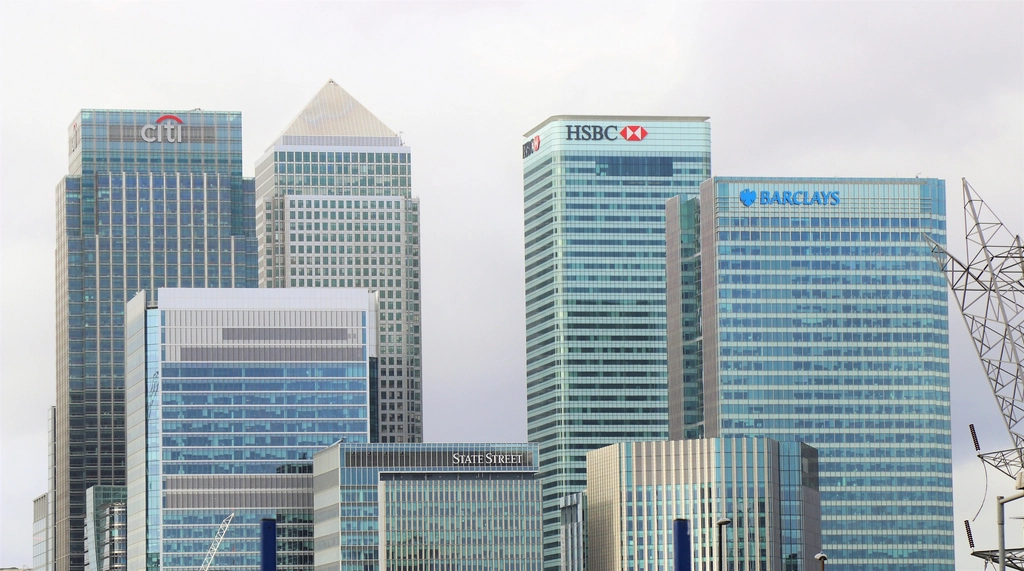
Photo: rawpixel (CC0)
Understanding RBI’s Latest Digital Lending Guidelines
The Reserve Bank of India (RBI) continuously updates its regulatory framework to keep pace with technological changes in the banking sector. In 2026, the RBI introduced a set of digital lending rules aimed at protecting consumers while encouraging innovation. This article breaks down the key provisions, why they matter to you, and how to stay compliant when borrowing online.
Why RBI Focused on Digital Lending
- Rapid growth of fintech – Mobile‑first lenders and neo‑banks have surged, offering instant credit to millions of Indians.
- Consumer protection concerns – Cases of hidden fees, aggressive collection practices, and data misuse prompted tighter oversight.
- Financial inclusion goal – By setting clear standards, RBI hopes to bring more underserved borrowers into the formal credit ecosystem.
Core Provisions of the 2026 Digital Lending Rules
| Provision | What It Means for Lenders | What It Means for Borrowers |
|---|---|---|
| Registration with RBI | All digital lenders must obtain a licence or register as a Non‑Bank Financial Company (NBFC) with the RBI. | You can verify a lender’s registration on the RBI website, ensuring they are legally recognised. |
| Transparent Pricing | Mandatory disclosure of all fees, interest rates, and pre‑payment penalties in simple language before loan disbursal. | You will see the true cost of credit up‑front, helping you compare offers on platforms like MyLoanWala. |
| Data Security & Consent | Lenders must follow RBI’s data‑privacy guidelines, obtain explicit consent before accessing credit bureau data, and store information securely. | Your personal and financial data is better protected, and you can withdraw consent at any time. |
| Fair Collection Practices | Prohibited use of threatening language, harassment, or illegal collection methods. RBI mandates a grievance redressal mechanism. | If you face aggressive calls or messages, you can lodge a complaint with the lender and the RBI. |
| Credit Assessment Standards | Lenders must use a documented credit‑scoring model, consider CIBIL scores, and avoid arbitrary rejections. | More consistent loan decisions and reduced chances of unfair denial. |
| Limits on Loan Amounts for First‑Time Borrowers | Caps on the maximum amount that can be disbursed to a borrower with no prior digital credit history (typically up to ₹1 lakh). | New borrowers get smaller, manageable credit lines, reducing over‑indebtedness risk. |
| Periodic Reporting | Monthly reporting of loan performance, defaults, and borrower complaints to RBI. | Enhances overall system health, indirectly protecting borrowers from systemic shocks. |
How These Rules Affect Different Types of Digital Loans
- Personal Loans from Fintech Apps – Expect clearer APR disclosures and a simple, step‑by‑step application flow.
- Pay‑Later Services – Must show exact fee structures before you click ‘accept’. Look for a ‘Terms & Conditions’ link that is easy to read.
- SME Loans via Online Platforms – Lenders will need to explain collateral requirements and repayment schedules in plain language.
- Gold‑Backed Digital Loans – Must disclose valuation methods and any storage charges transparently.
Steps to Verify a Digital Lender’s Compliance
- Check RBI Registration – Visit the RBI’s official portal and search for the lender’s name or registration number.
- Read the Full Disclosure – Look for a dedicated ‘Charges & Fees’ page; avoid lenders that hide details behind pop‑ups.
- Review the Privacy Policy – Ensure it mentions consent for credit bureau checks and data protection measures.
- Test the Grievance Mechanism – Try contacting customer support with a simple query; a compliant lender will respond promptly.
- Compare Offers – Use MyLoanWala’s comparison tool to see multiple lenders side‑by‑side, focusing on total cost rather than just interest rate.
Common Misconceptions About RBI’s Digital Lending Rules
- “All digital lenders are now regulated” – Only those that have completed the registration process fall under RBI’s purview. Some small players may still operate without a licence.
- “Rates will drop dramatically” – Transparency may lead to more competitive pricing, but rates will still vary based on credit profile and loan type.
- “I don’t need to read the fine print” – Even with the new rules, hidden fees can exist. Always read the full terms before signing.
What Should Borrowers Do Next?
- Stay Informed – Follow RBI announcements and reputable finance news portals.
- Maintain a Good CIBIL Score – A healthy credit score (generally 750+) will give you leverage under the new fair‑assessment guidelines.
- Use Trusted Platforms – Websites like MyLoanWala aggregate offers from RBI‑registered lenders, saving you time and ensuring compliance.
- Keep Records – Save all loan agreements, SMS/email confirmations, and receipts for future reference.
FAQ
Q1. Do these rules apply to traditional banks offering online loans? A: Yes. While banks already fall under RBI supervision, the digital‑lending guidelines reinforce transparency for their online channels as well.
Q2. How can I report a non‑compliant lender? A: You can lodge a complaint on the RBI’s Complaint Management System (CMS) or approach the Banking Ombudsman.
Q3. Will my existing digital loan be affected? A: Existing loans remain valid, but lenders may need to update disclosure documents and data‑privacy policies.
Q4. Are there any caps on interest rates for digital loans? A: RBI has not set a universal ceiling, but lenders must disclose the APR clearly and cannot mislead borrowers about the cost.
Q5. Does the RBI rule cover peer‑to‑peer (P2P) lending? A: P2P platforms are regulated separately under the RBI’s NBFC‑P2P framework, which also emphasizes transparency and data security.
Ready to explore RBI‑compliant digital loan offers? Compare the latest options on MyLoanWala and find the loan that fits your needs.