Loan Against Property in Dwarka: How to Use It for Low‑Cost Debt Consolidation
28 November 2026

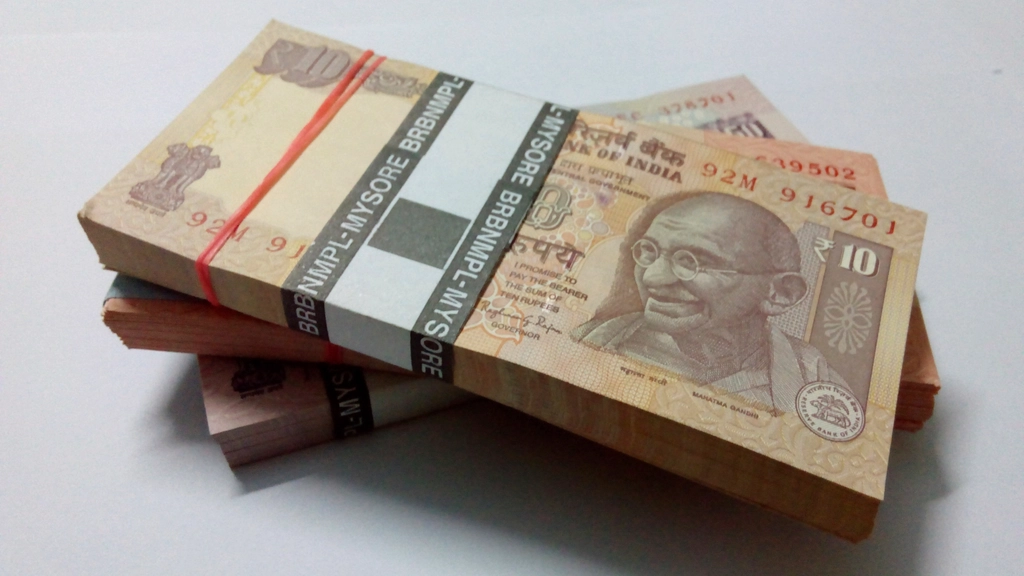
Photo: rawpixel (CC0)
Why Debt Consolidation with a Loan Against Property (LAP) is Popular in Dwarka
If you own a residential or commercial property in Dwarka, a Loan against Property (LAP) can be a smart way to bring multiple high‑interest debts under one lower‑cost loan. Unlike personal loans or credit cards, LAPs typically offer interest rates that are a few percentage points lower because the loan is secured against a tangible asset.
Key Benefits of Using LAP for Debt Consolidation
- Lower Interest Rates: Secured loans generally carry rates that are lower than unsecured personal loans or credit cards.
- Longer Tenure: You can spread repayments over 5‑15 years, reducing the monthly outflow.
- Single EMI: Consolidating all debts into one EMI simplifies budgeting and reduces the risk of missed payments.
- Improved Credit Score: Timely repayment of a larger, secured loan can positively impact your CIBIL score.
Who Can Apply for a Loan Against Property in Dwarka?
| Applicant Type | Typical Eligibility Criteria |
|---|---|
| Salaried (including government employees) | Minimum 2‑3 years of continuous employment, stable income, and a CIBIL score above 650. |
| Self‑Employed Professionals | Minimum 2‑3 years of business operation, audited financial statements, and a CIBIL score above 650. |
| Women Borrowers | May receive preferential treatment under certain bank schemes; ensure to ask about women‑specific benefits. |
| NRIs with Property in India | Must provide overseas income proof and Indian property documents; some banks have dedicated NRI LAP products. |
Documents You’ll Need
- Original property title deed and latest property tax receipt.
- Identity proof (Aadhaar, PAN card, or passport).
- Address proof (electricity bill, water bill, or rent agreement).
- Income proof (salary slips & Form 16 for salaried; audited profit & loss statements for self‑employed).
- Bank statements for the last 6 months.
- No‑objection certificate (NOC) from the housing society if the property is in a gated community.
Step‑by‑Step Process to Get a LAP for Debt Consolidation
- Assess Your Total Debt – List all existing loans, credit card balances, and any other liabilities.
- Calculate Desired Loan Amount – Typically, banks lend up to 50‑70% of the property's market value. Ensure the amount covers all debts plus a small buffer for emergencies.
- Check Your CIBIL Score – A score above 650 improves approval chances and may fetch better rates.
- Choose the Right Lender – Compare offers from banks, NBFCs, and housing finance companies. Look for:
- Interest rate range (usually 8‑12% per annum for LAPs, but varies).
- Processing fee and pre‑payment charges.
- Flexibility in tenure.
- Submit the Application – Fill the online form or visit the branch with the documents listed above.
- Property Valuation – The lender will arrange a valuation; this determines the loan‑to‑value (LTV) ratio.
- Loan Sanction & Disbursement – Once approved, the loan amount is disbursed directly to your bank account. Use the funds to clear all existing debts.
- Set Up the EMI – Register the new EMI in your bank’s auto‑debit system to avoid missed payments.
How to Keep the Interest Cost Low
- Higher LTV, Lower Rate? Not always. A moderate LTV (around 60%) often results in better rates than pushing the limit to 75%.
- Shorter Tenure reduces total interest payable, even if the EMI is slightly higher.
- Maintain a Good CIBIL Score – Even a small improvement can shave off 0.5‑1% from the rate.
- Negotiate Processing Fees – Some lenders waive or reduce fees for high‑value properties.
- Consider Pre‑Payment Options – If you have a lump‑sum cash inflow, pre‑paying can cut down interest dramatically.
Risks to Watch Out For
- Property as Collateral – Failure to repay can lead to a mortgage claim on your Dwarka property.
- Longer Commitment – A 15‑year loan ties up your cash flow; ensure you can sustain the EMI even if income fluctuates.
- Variable vs Fixed Rate – Variable rates can rise with RBI policy changes; assess your risk tolerance.
Frequently Asked Questions
Q1: How much can I borrow against my Dwarka property? A: Lenders typically offer 50‑70% of the property's market value, subject to verification and your repayment capacity.
Q2: Can I use a LAP to pay off credit card debt? A: Yes, many borrowers use LAP funds to clear high‑interest credit card balances, then repay the LAP at a lower rate.
Q3: Is a LAP suitable for a first‑time home buyer? A: It can be, especially if you already own a property elsewhere and need additional funds for a new purchase or renovation.
Q4: What happens if I miss an EMI? A: Missed payments affect your CIBIL score and may trigger penalty charges. Persistent defaults can lead to legal action on the mortgaged property.
Q5: Are there any tax benefits? A: Interest on a LAP used for a business purpose may be deductible under Section 36(1)(iii) of the Income Tax Act. For personal debt consolidation, tax benefits are limited.
Final Thoughts
A Loan against Property in Dwarka can be a powerful tool to streamline high‑interest debts into a single, manageable EMI. By carefully evaluating your eligibility, choosing the right lender, and staying disciplined with repayments, you can enjoy lower interest costs and improve your financial health.
Ready to explore the best LAP offers for your Dwarka property? Compare loan offers on MyLoanWala and take the first step toward smarter debt management.