Personal Finance Tips: Build an Emergency Fund & Save More in India
26 November 2026
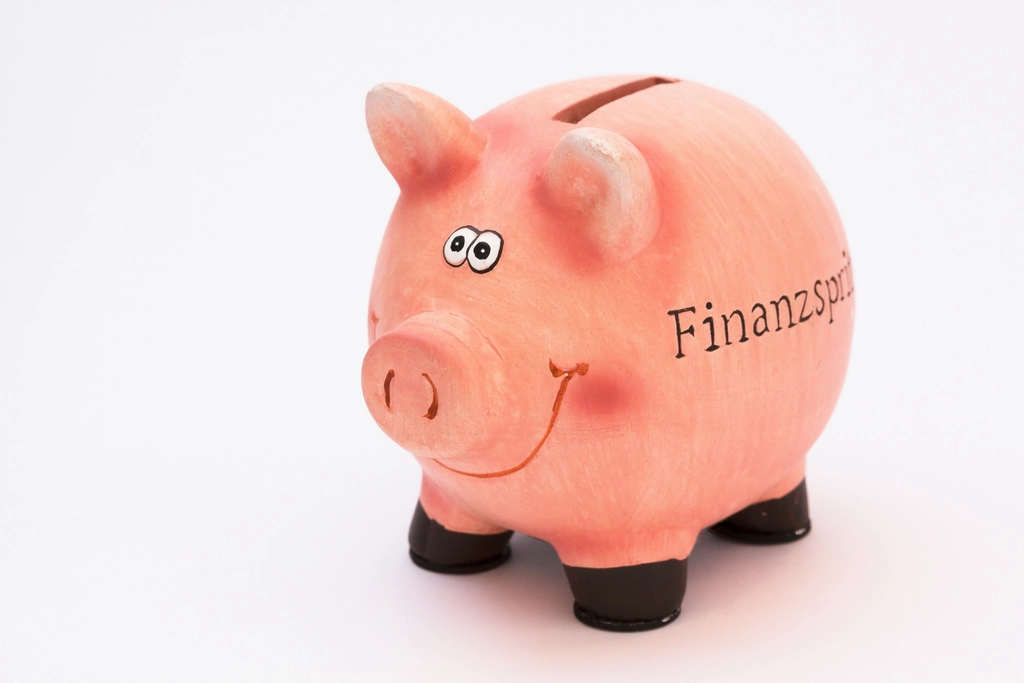
Photo: rawpixel (CC0)
Why an Emergency Fund is the Cornerstone of Personal Finance
In India, unexpected expenses—like a medical bill, car repair, or a sudden job loss—can quickly derail your financial stability. A well‑stocked emergency fund acts as a safety net, allowing you to handle these shocks without resorting to high‑interest loans or credit cards. This article walks you through practical, Indian‑specific steps to start, grow, and protect your emergency fund while also sharing broader saving money tips you can apply right away.
Step‑by‑Step Guide to Building Your Emergency Fund
1. Define Your Target Amount
- Rule of thumb: Aim for 3‑6 months of essential expenses. For a typical salaried professional in a metro city, this could be anywhere between ₹2 lakh to ₹6 lakh, depending on lifestyle and family size.
- Adjust for job security: If you work in a sector with frequent layoffs, consider targeting the higher end of the range.
2. Identify Your Monthly Essentials
Create a simple list of recurring costs:
- Rent or home loan EMI
- Utilities (electricity, water, gas)
- Groceries and household supplies
- Transportation (fuel, public transport pass)
- Insurance premiums (health, term life)
- Minimum debt repayments (credit cards, personal loans)
Add these up to get your monthly essential outflow. Multiply by the number of months you aim to cover.
3. Choose the Right Savings Vehicle
| Goal | Recommended Instrument | Liquidity | Typical Return (APR) |
|---|---|---|---|
| Short‑term (0‑6 months) | High‑interest savings account or liquid mutual fund | Immediate | 3‑5% |
| Medium‑term (6‑24 months) | Fixed deposit (FD) with flexible premature withdrawal | 1‑2 days | 4‑6% |
| Long‑term (2+ years) | Recurring deposit (RD) or tax‑saving FD (5‑year) | 30‑60 days | 5‑7% |
- High‑interest savings accounts offered by many Indian banks provide instant access and modest returns.
- Liquid mutual funds are another option; they can be redeemed within a day and usually earn slightly higher returns than a regular savings account.
- Avoid locking your emergency fund in instruments that penalise early withdrawal heavily.
4. Automate Your Savings
- Set up a standing instruction: Transfer a fixed amount from your salary account to the chosen emergency fund vehicle on the day you receive your salary.
- Round‑up method: Some banks allow you to round up each transaction to the nearest ₹100 and transfer the difference to savings automatically.
- Treat this transfer as a non‑negotiable expense—just like your rent.
5. Keep the Fund Separate
- Open a dedicated account (or use a separate sub‑account) solely for emergencies. This prevents accidental spending and makes it easier to track progress.
6. Replenish After Use
- If you dip into the fund, prioritize refilling it as soon as possible. Resume the same automatic transfers and consider a one‑off top‑up from any bonuses or tax refunds.
Additional Money‑Saving Tips for Indian Households
A. Slash Unnecessary Subscriptions
- Review OTT platforms, gym memberships, and magazine subscriptions. Cancel any that you rarely use.
B. Optimize Your Grocery Bill
- Shop with a list to avoid impulse buys.
- Buy in bulk for non‑perishables and use local markets for fresh produce where prices are lower than supermarkets.
C. Reduce Utility Costs
- Switch to LED bulbs, use power strips, and set air‑conditioners to a moderate temperature (around 24‑25°C).
- Compare prepaid mobile plans and switch to a plan that matches your usage.
D. Leverage Tax Deductions Wisely
- Claim deductions under Section 80C for EPF, PPF, ELSS, and life‑insurance premiums (up to ₹1.5 lakh).
- Use Section 80D for health‑insurance premiums (₹25,000 for self and family, plus ₹25,000 for parents).
- These deductions reduce your taxable income, effectively increasing your take‑home pay.
E. Use Credit Cards for Rewards, Not Debt
- Pay the full statement balance each month to avoid interest.
- Choose cards that offer cashback or reward points on groceries, fuel, and utility bill payments.
F. Build a Side‑Income Stream
- Freelancing, tutoring, or selling handmade products on platforms like Meesho can supplement your salary and accelerate your savings goals.
Protecting Your Emergency Fund
- Insurance is key: A good health insurance policy (with a reasonable sum insured) prevents medical expenses from draining your fund.
- Avoid high‑interest borrowing: If you need cash, consider a low‑interest personal loan from a reputable bank rather than a credit card cash advance.
- Stay aware of scams: Never share your bank details or OTPs with anyone claiming to help you invest or save.
FAQ
Q1: How much should I keep in a liquid savings account versus a fixed deposit? A: Keep at least 1‑2 months’ worth of expenses in a high‑interest savings account for immediate access. The remainder can sit in a short‑term fixed deposit for better returns.
Q2: Can I use a recurring deposit for my emergency fund? A: Yes, an RD works well if you can commit to a fixed monthly contribution and you don’t need instant access to the whole amount.
Q3: What if I have irregular income, like freelancers? A: Base your target on the average of the last 6‑12 months of income. Build a buffer of 6 months of expenses to account for income fluctuations.
Q4: Should I keep my emergency fund in a joint account with my spouse? A: It’s fine as long as both partners agree on the purpose and access rules. Joint accounts can simplify household budgeting.
Q5: How often should I review my emergency fund? A: Review annually or after any major life change (new job, marriage, childbirth) to adjust the target amount.
Ready to take control of your finances? Use MyLoanWala’s EMI calculator and loan comparison tools to find the best options for any credit needs while you continue building a robust emergency fund.