Gold Loan vs Personal Loan: Which Is the Better Emergency Borrowing Option?
25 November 2026
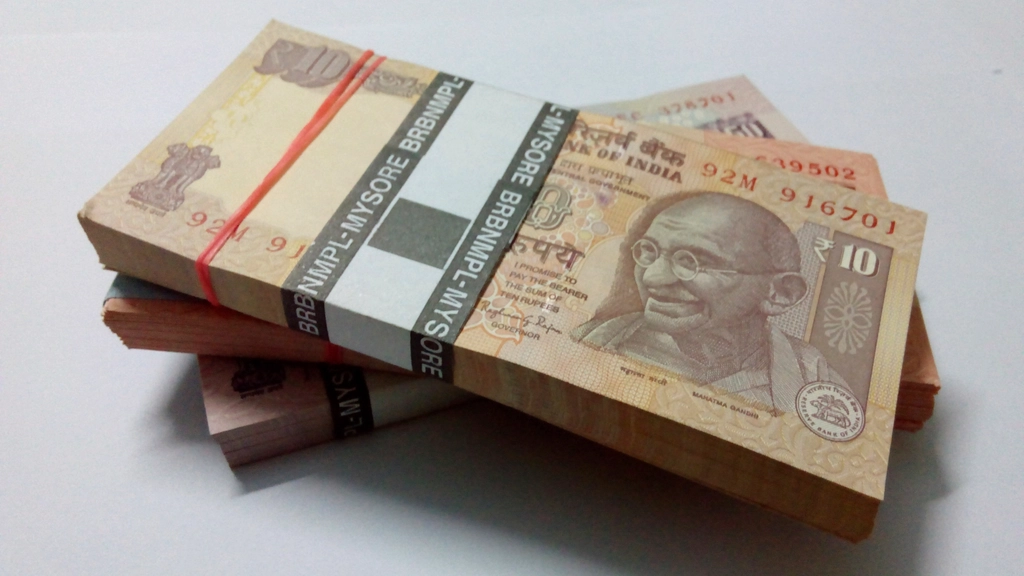
Photo: rawpixel (CC0)
Why Gold Loans Are a Popular Choice for Quick Cash
When an unexpected expense pops up – a medical emergency, a wedding, or a sudden business need – many Indians turn to loans for fast funds. Among the options, gold loans stand out because they offer quick disbursal, lower paperwork, and often better interest rates than unsecured personal loans. In this article we’ll explore how gold loans work, their key advantages, and compare them with personal loans so you can decide which product fits your emergency cash‑flow needs.
How a Gold Loan Works
A gold loan is a secured loan where you pledge gold jewellery or bullion as collateral. The lender assesses the purity and weight of the gold, applies a loan‑to‑value (LTV) ratio (typically 60‑75 % of the market value), and disburses the amount instantly – often within a few hours.
Typical Process
- Visit a bank or NBFC that offers gold loans.
- Submit your gold (no need to sell it).
- Gold appraisal – the lender checks purity using a touch‑stone or electronic tester.
- Loan offer – based on the LTV, you receive a loan offer.
- Disbursement – funds are transferred to your bank account or given as cash.
- Repayment – you can repay in EMIs or a lump‑sum before the loan tenure ends (usually up to 36 months).
Key Benefits of Gold Loans
- Speed – Disbursal can be as fast as 30 minutes.
- Lower interest – Because the loan is secured, rates are generally lower than personal loans (often in the 7‑12 % range, but vary by lender).
- No credit score impact – Even borrowers with a low CIBIL score can get a gold loan, as the gold itself is the security.
- Flexible repayment – Choose EMIs, a bullet payment, or a combination.
- No pre‑closure penalty – Most lenders allow early repayment without extra charges.
When a Personal Loan Might Be Better
A personal loan is an unsecured loan based purely on your credit profile. It doesn’t require any collateral, which means you keep your gold jewellery safe. Consider a personal loan if:
- You don’t want to part with gold, even temporarily.
- You need a larger loan amount than what your gold can secure (personal loans can go up to ₹25 lakh or more).
- You prefer longer tenures (up to 7 years) for lower monthly outflow.
- Your CIBIL score is strong, allowing you to secure competitive rates.
Comparing Gold Loans and Personal Loans
| Feature | Gold Loan | Personal Loan |
|---|---|---|
| Security | Gold pledged as collateral | No collateral required |
| Eligibility | Based on gold value, not credit score | Dependent on CIBIL score, income, employment |
| Disbursement time | 30 minutes to a few hours | 1‑3 days (online) to a week (branch) |
| Typical interest range | 7‑12 % (varies by lender) | 10‑20 % (varies by lender) |
| Maximum tenure | Up to 36 months | Up to 84 months |
| Early repayment penalty | Usually none | May apply, check lender policy |
| Impact on credit score | None (unless default) | Affects score positively on timely repayment |
Factors to Consider Before Choosing
- Amount Needed – Calculate the loan amount you actually need. If your gold can cover 70 % of that, a gold loan may be sufficient.
- Repayment Capacity – Shorter tenures mean higher EMIs. Ensure you can meet the repayment schedule without straining your cash flow.
- Future Gold Needs – If you plan to sell gold later (e.g., for a child's education), a gold loan lets you retain ownership and sell later.
- Credit Building – If you want to improve your CIBIL score, a personal loan repaid on time can help.
- Lender Reputation – Choose banks or NBFCs with transparent terms, good customer service, and a robust grievance redressal mechanism.
How to Get the Best Gold Loan Offer
- Shop around – Use comparison tools like MyLoanWala to view LTV ratios, interest rates, and processing fees from multiple lenders.
- Check purity certification – Ensure your gold is certified (e.g., BIS hallmark) for smoother appraisal.
- Negotiate processing fees – Some lenders may waive or reduce fees for high‑value loans.
- Read the fine print – Look for hidden charges such as valuation fees, insurance on pledged gold, or pre‑closure penalties.
Frequently Asked Questions
Q1: How is the gold valued for a loan? A: Lenders assess weight and purity, then apply the current market price (subject to a discount) and the LTV ratio to determine the loan amount.
Q2: What happens if I default on a gold loan? A: The lender can auction the pledged gold to recover the outstanding amount. This can also affect your credit score.
Q3: Can I get a gold loan for a small amount, like ₹50,000? A: Yes, most lenders have a minimum loan amount of around ₹10,000‑₹25,000, so a ₹50,000 loan is feasible.
Q4: Are there tax benefits on gold loan interest? A: Unlike home loan interest, gold loan interest is not deductible under Indian tax laws.
Q5: Can I refinance a gold loan with a personal loan later? A: Yes, you can repay the gold loan and then apply for a personal loan, but consider any pre‑closure charges before doing so.
Bottom Line
Gold loans provide a fast, low‑interest, and credit‑score‑friendly way to meet urgent cash needs, while personal loans offer flexibility without risking your jewellery. Evaluate the amount, tenure, and your credit profile to choose the right product.
Ready to compare the best gold loan offers? Use MyLoanWala’s comparison tool to find rates, LTV ratios, and processing fees that match your needs.
This article is for informational purposes only and does not constitute financial advice. Always verify the latest rates and terms with the lender before applying.